

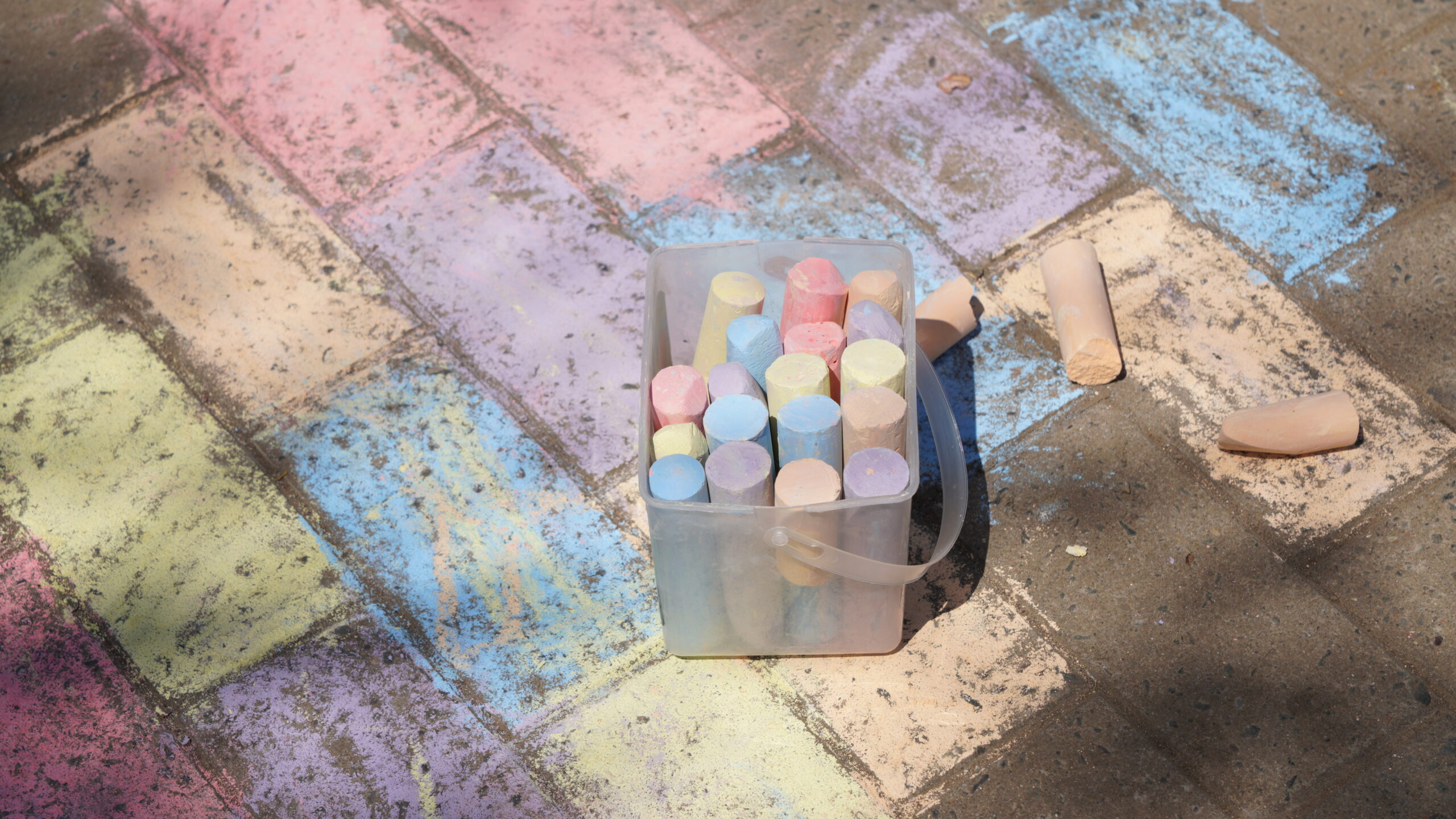

“Yes we’ll walk with a walk that is measured and slow,
And we’ll go where the chalk-white arrows go,
For the children, they mark, and the children, they know
The place where the sidewalk ends.”
Shel Silverstein
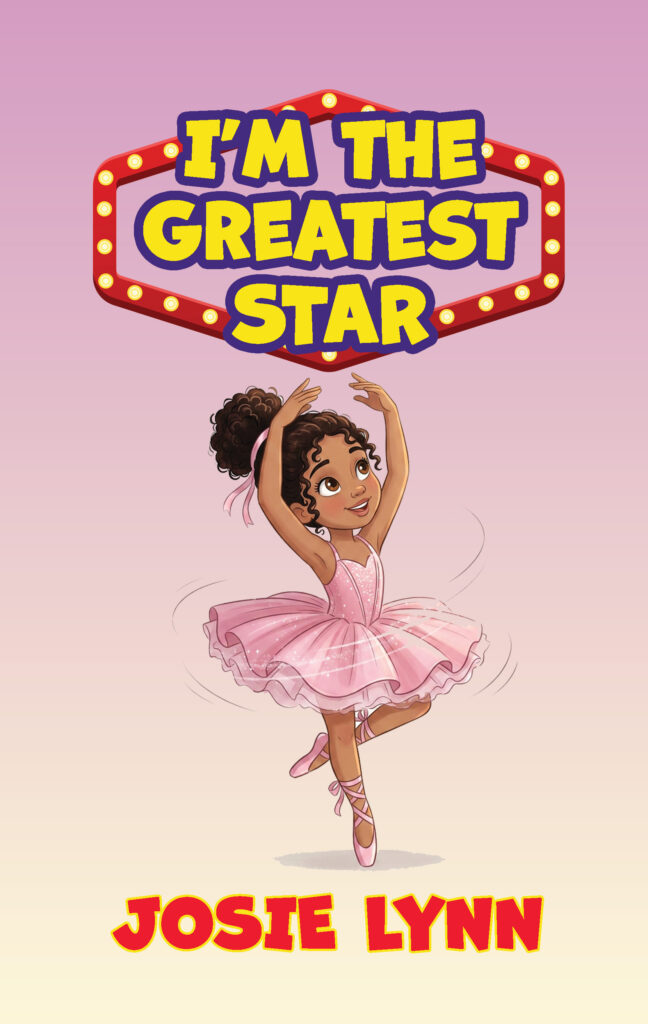
In my latest book, I’m the Greatest Star, my protagonist, Star Franklin recites the poem Where the Sidewalk Ends in front of her sixth grade class.
This poem got me thinking about a few things. Like…what other things do children know that we adults seem to have forgotten?…which leads me to my latest blog post…
Chalkboard Art vs. Childhood
I’ve been thinking a lot about chalkboard art because…well…it’s everywhere these days. The other day, I was reading a tutorial about how to create great chalkboard art and I learned that it’s important to “season” the chalkboard before you begin by rubbing a piece of chalk across the board and then gently erasing it. Ideally, this will leave a little bit of chalk dust behind on the surface, a faint chalky residue (and then you can go about creating your masterpiece).
Sometimes I think we forget the beauty of something in its pristine condition. So little in today’s world is pristine anymore. Most everything is fairly used up. Everything else seems to be recycled, and if it’s not, it’s seasoned and distressed to give the appearance of not being new.
This makes me think about childhood—a time when just about everything is new, when there is magic afoot—not the Harry Potter type of magic—but the magic of discovery. That magical time when you are finding things out for the very first time, when you are not too embarrassed or too ashamed to not know something before everyone else, and when you feel free to be yourself and have the audacity to think you’re good enough because the world of advertising hasn’t started its campaign to convince you otherwise.
I’m talking about that early state of existence when you truly are a blank slate, before you get seasoned and distressed (being a blank slate is something chalkboard art is apparently not about).
Thinking back to childhood made me want to try to remember some of the things children seem to know, but grownups have forgotten. So, I made a list. Oh…how I love making lists…
1. It’s important to look down.
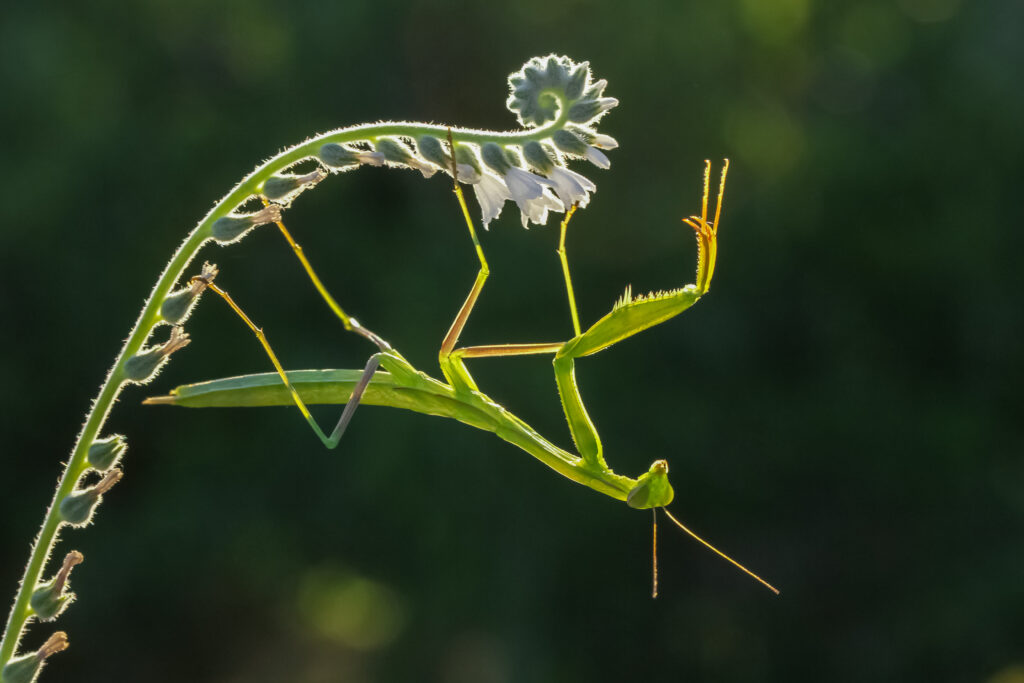
Little things, like ants and snails and lady bugs and tiny flowers growing in the grass, are important, too. These are masterpieces in miniature, but as adults, we tend to pass over them, thinking such things are beneath our notice. Little kids are good at stooping down.
2. It’s also important to look up.
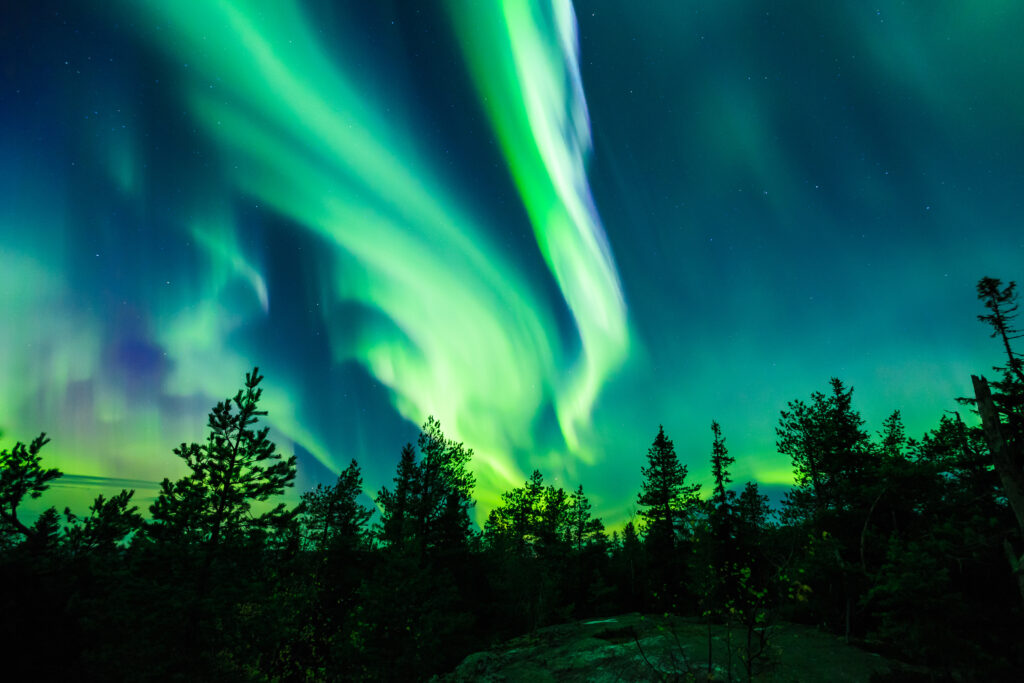
Look up, for instance, at the daytime sky. What do you see? Fluffy white sheep moving across a beautiful blue meadow. Ah, the power of seeing what’s not there. At night, it’s the Man in the Moon. He’s up there, really. I’ve seen him watching over me. It’s good to believe in something bigger than yourself. It’s good to realize you’re not the center of the universe. It’s also good to find role models. Look up to them. It’s all about elevation. If you run with turkeys, you can’t soar with eagles.
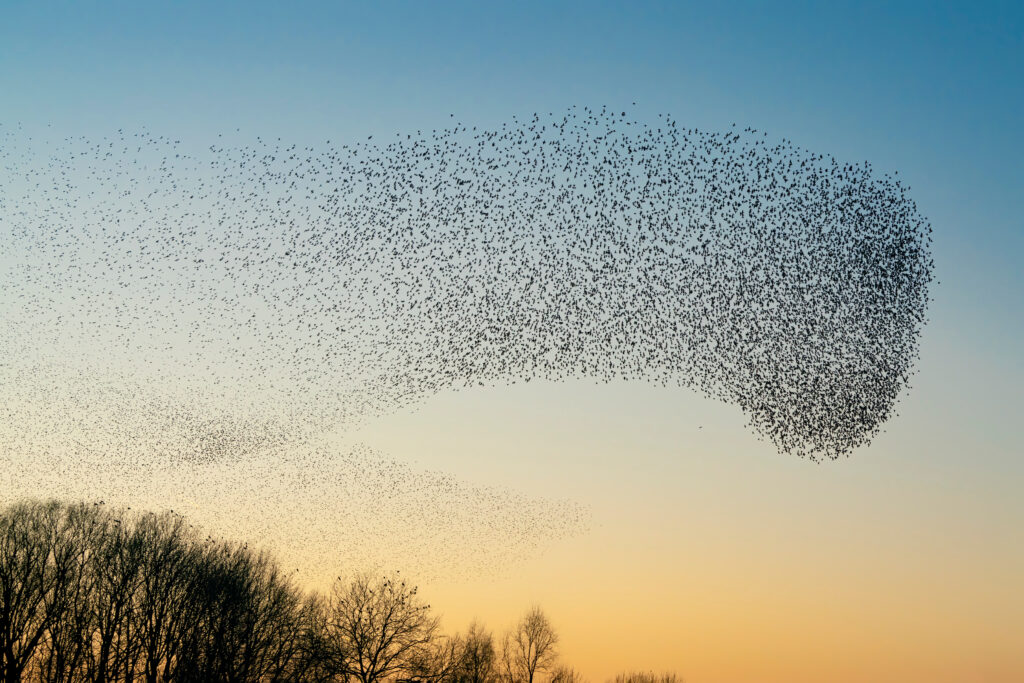
3. Keep wonder alive.
Ask things like ‘what if?’ and ‘how?’ These are powerful words that keep you from getting too comfortable with the mundane, boring, or ordinary. Sometimes it pays to color outside the lines. Open things up. Find out how they’re put together. Learn what makes them tick.

4. Ask, “Can I play?”
It’s a simple, direct question. There are no politics involved, no hidden agendas. Just a plain request that lets people know what you want and need. You might get your feelings hurt, but at least you’ll know you have them. Wearing your heart on your sleeve is more fashionable than a chip on your shoulder. Be proactive, not reactive.
5. Sometimes the answer is no.
If one group says you can’t play with them on the monkey bars, go ask the group playing four square. Maybe you’ll like that game better anyway. Rejection is not always a bad thing. Oftentimes, it’s not even personal. Maybe it’s completely random (…like only four people can play four square and you’re person number five).
6. Sometimes the answer is yes.
You’ll never know if you don’t ask. The Rolling Stones said, “You can’t always get what you want.” But sometimes you do. When you think about it, your odds are pretty even.
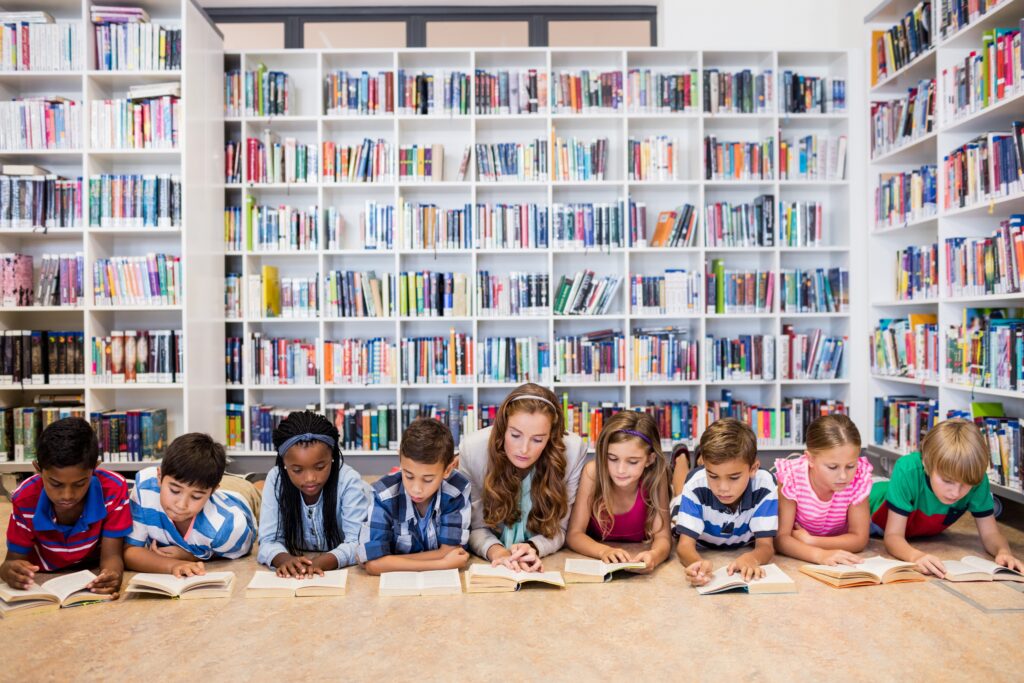
7. Speaking of asking, ask the big questions because they matter.
Aside from taking things apart, that’s how you find out stuff. Kids know ignorance isn’t anything akin to bliss. And by the way, ask “unqualified” questions. Don’t ask “quick questions” or apologize for “stupid questions.” When I was a kid, my father used to say, “The only stupid question is the one you didn’t ask.” So, ask away. Dr. Seuss said, “Sometimes the questions are complicated, and the answers are simple.” If you don’t ask, you won’t know.
8. Get lost in the moment.
That’s what moments are for. Stare blankly into space. Dream (dreams are good). Brainstorm (also good). Take a moment to forget about schedules, forget time. It’s arbitrary anyway and takes no prisoners as it marches along.
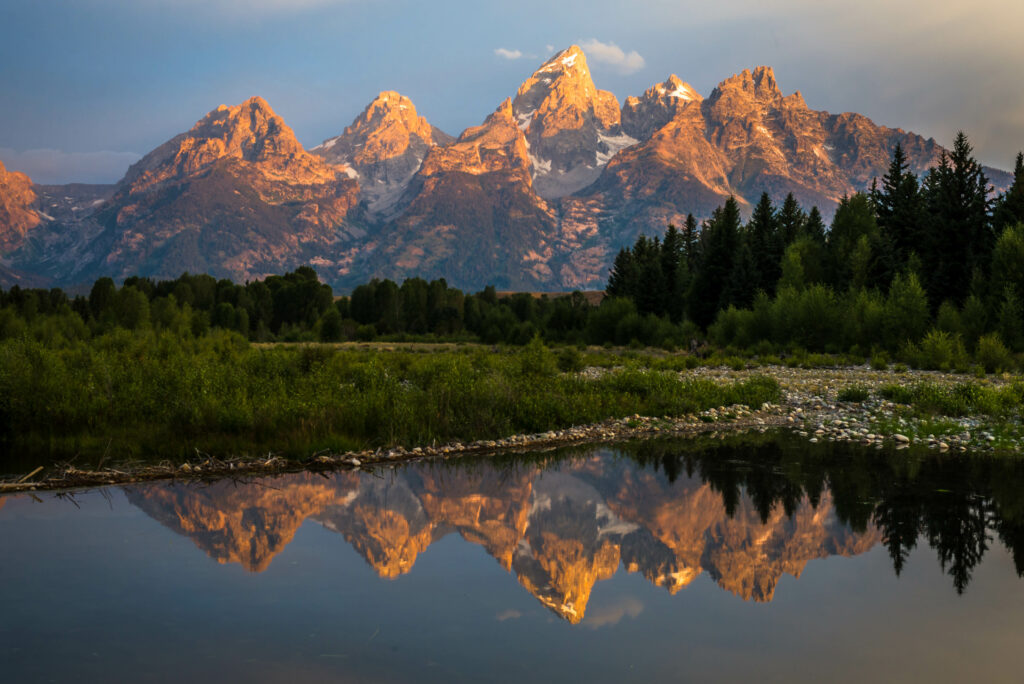
9. Open your eyes, they are the windows to the soul after all.
Take things in. Explore this beautiful world that we’re fortunate to live in. When you see something amazing, say, “Wow!!!”
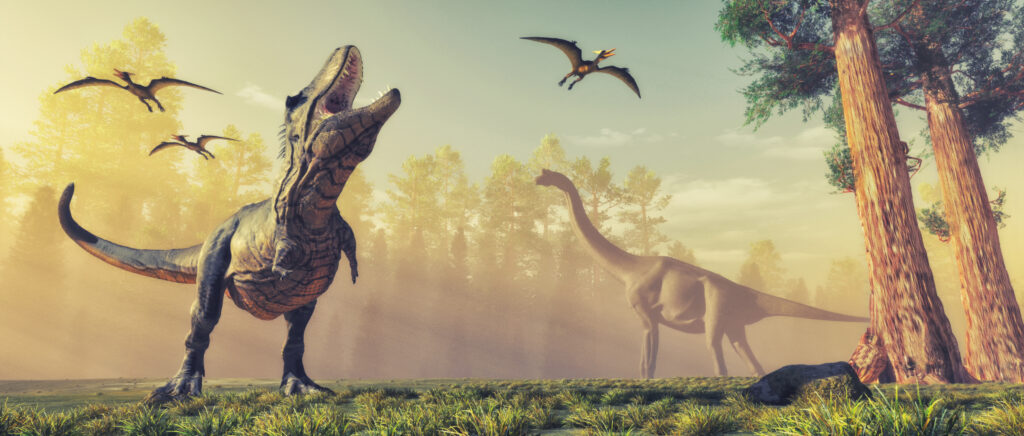
10. Know when it’s time to cover your eyes.
The first time I saw a Jurassic Park movie in the theater, I heard a little kid in one of the rows behind me say, “Tell me when the scary part’s over.” When the scary monsters are on the screen, look away. Don’t watch train wrecks. Remember that there are some things you can’t un-see. Some things are going to give you nightmares. Every self-respecting kid knows that nightmares are not good things.
Now it’s your turn. What are some of the things you remember that you forgot? I’d love to hear your thoughts.
Leave a Reply