


I love PBS. I have done for years.
Perhaps you recognized Have done as “British English.” Over here, in America, we would simply say, “I have for years.” Or something like that.
But, as I implied in a previous post, same difference.
I love PBS for all the high-quality, unparalleled bonnet dramas (I learnt a new word today – IYKYK, and technically it was yesterday, but…) it has produced over the decades: series like Our Mutual Friend, Wives and Daughters, and Middlemarch. And then there are the police procedural dramas like Endeavour, Inspector Morse, and shows like Poirot and Marple.
I also love it because watching it has taught me useful expressions that I would not otherwise have learned. Expressions that British people routinely use that are similar to expressions we use, but charmingly different.
For instance, in a British crime drama, it is very common to hear a person who is found dead or who is suspected of making someone else dead, as someone who “keeps himself to himself” or “kept himself to himself.” I love that expression. I want to use it. I don’t, because I am afraid it will make me sound like someone who has watched a few too many hours of PBS. British people can say things like that and sound normal.
They can also say things like, “Well, that’s done and dusted,” and “That’s dinner sorted,” and “I didn’t really want to pay this much for gas, but needs must.”
Okay, so that’s my list. It’s not exhaustive. I’ll save more for another day.
I have two questions for you, though:
- Where is the quote “I learnt a new word today” from? And what was the new word?
- What are some British expressions you like?
Okay, so maybe that was three questions.
…And finally…
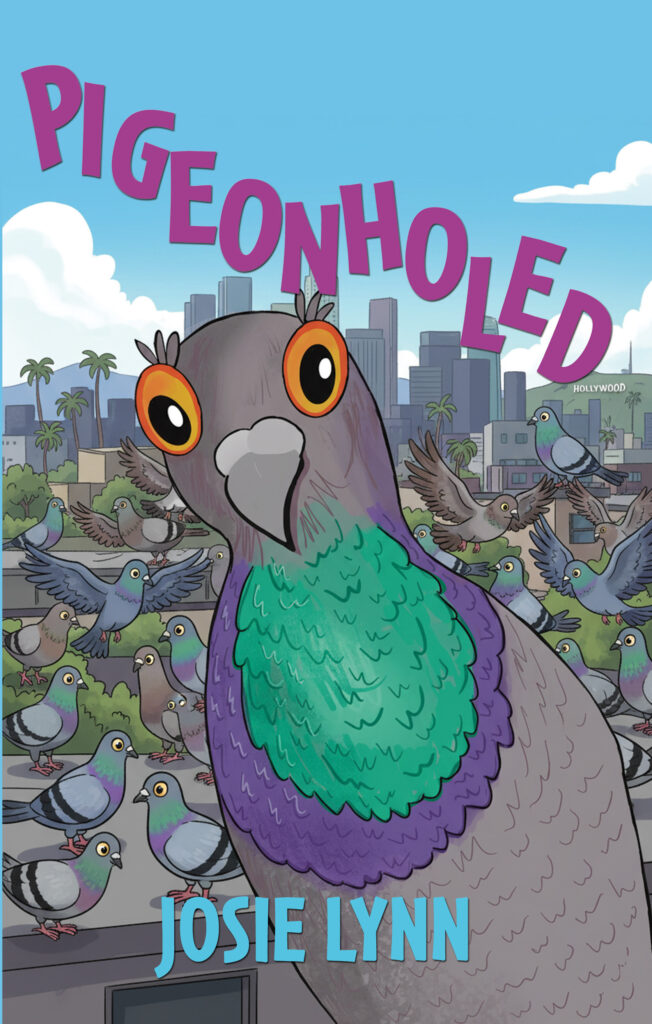
Speaking of PBS reminds me of my favorite wise-cracking, PBS-loving pigeon, Walter Pigeon, from Pigeonholed.
Check him out when you have a moment.


Leave a Reply